Humidity Isn’t Just a Comfort Problem
When we think of humid climates, we often picture sticky skin and foggy windows. But in buildings, constant exposure to humidity causes much bigger issues. Over time, it breaks down materials, traps moisture inside walls, and creates an ideal environment for mold and rot.
What Makes Humid Climates Riskier
Humidity brings with it moisture in the air. In hot and humid regions like the Southeastern United States, high dew points and warm temperatures mean buildings are constantly challenged by water vapor infiltration. Without a strong moisture defense, warm air moves through gaps in the building envelope and condenses on cooler surfaces. This hidden moisture is what causes most long-term damage.
Effects of Moisture Intrusion
Unchecked moisture leads to:
- Mold and mildew on walls, ceilings, and insulation
- Wood rot and framing decay
- Corrosion of steel and fasteners
- Insulation breakdown and energy loss
- Indoor air quality problems
- Pest infestations are drawn to damp environments
In commercial buildings, these problems often trigger costly shutdowns, repair bills, and even insurance claims.
How Waterproofing Solves These Issues
Waterproofing creates a barrier between the inside of your structure and the outdoor climate. Key systems include:
- Proper sealing around windows, doors, and expansion joints
- Continuous vapor and air barriers within walls
- Crawl space encapsulation to block ground moisture
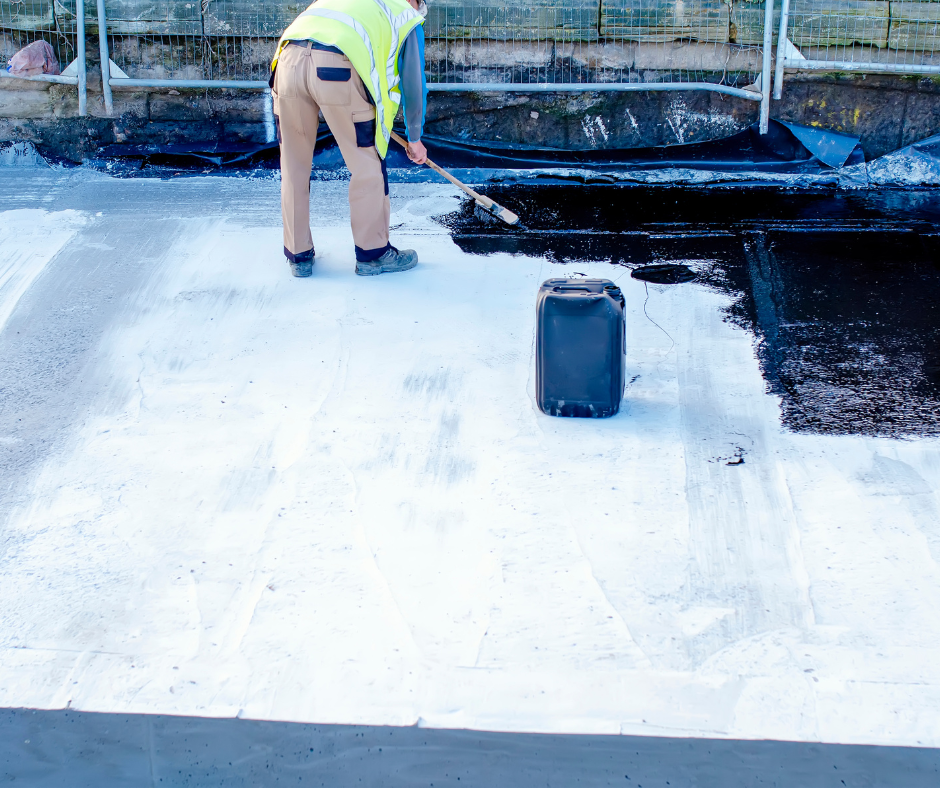
- Roof waterproof membranes and drainage systems
- Spray foam insulation with moisture resistance
Each of these layers protects the building from moisture ingress, especially during rainy seasons and high-humidity months.
Not All Materials Are Equal
In a humid climate, traditional materials like fiberglass insulation or poorly sealed drywall won’t cut it. You need products that actively resist water and vapor:
- Closed-cell spray foam, which seals and insulates in one step
- Moisture-resistant backer boards behind finishes
- High-performance caulks and sealants that last in extreme weather
- Breathable waterproofing membranes that allow vapor to escape without letting water in
Using the wrong material in a high-humidity environment often leads to trapped moisture, mold, and wall failure.
Key Areas That Must Be Waterproofed
Focus waterproofing efforts on areas most prone to moisture exposure:
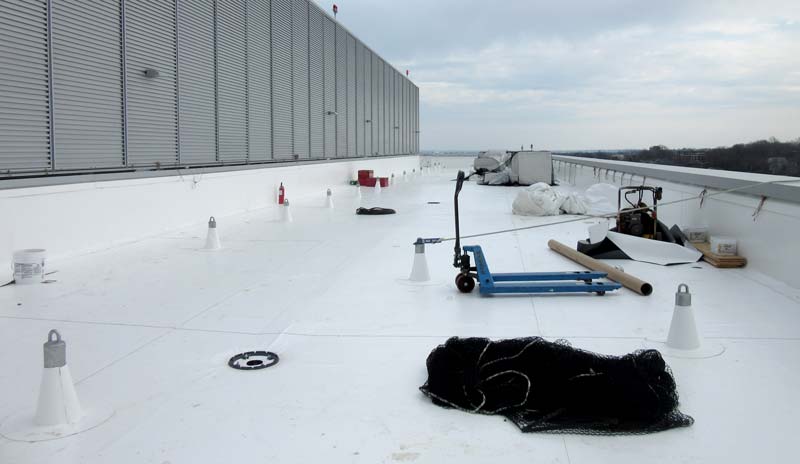
- Roof decks and parapets
- Foundations and slab edges
- Below-grade walls and basements
- Crawl spaces and attic floors
- Window and door perimeters
- Expansion joints and wall penetrations
Even small gaps in these areas can allow large volumes of moisture to accumulate over time.
Energy Efficiency and Comfort
Waterproofing doesn’t just protect the structure. It also improves building performance. When air and vapor infiltration are controlled, HVAC systems don’t need to work as hard to compensate for temperature and humidity swings. This means:
- Lower energy bills
- Better occupant comfort
- Fewer maintenance cycles for HVAC units
- More consistent indoor temperatures
Waterproofing and insulation together create a more stable, efficient indoor environment.
Final Thoughts
In humid climates, moisture is your building’s biggest enemy. If you skip waterproofing or use the wrong system, you’re inviting mold, decay, and energy loss into your space. From the roof to the crawl space, moisture defense should be a core part of every construction and maintenance plan. It’s not an upgrade. It’s a necessity.