

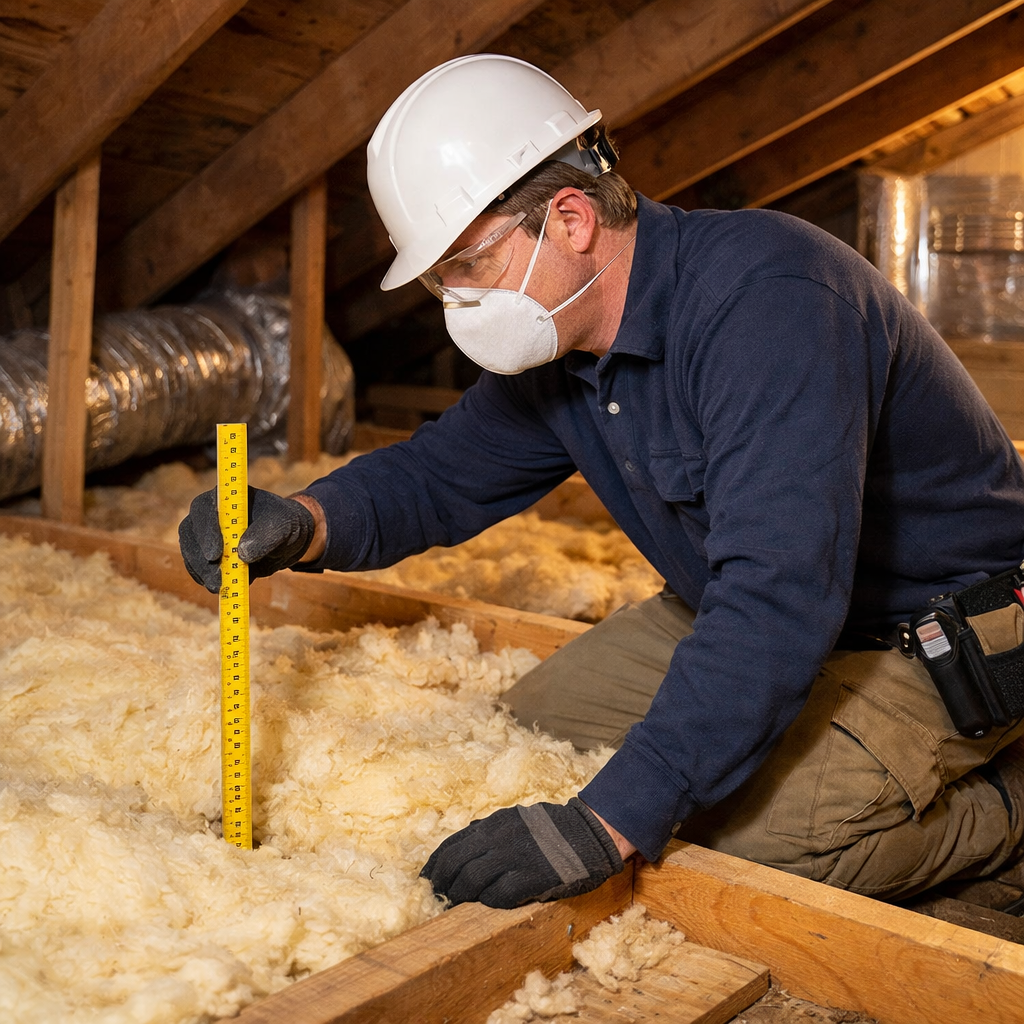
Insulation works year-round. But each season brings different risks that can reduce its performance. Moisture, heat, cold, and air leakage all affect how well insulation protects your building.
At Barrier South, we view insulation as part of a complete building system. Protecting it means protecting comfort, efficiency, and durability.
Spring: Control Moisture Early
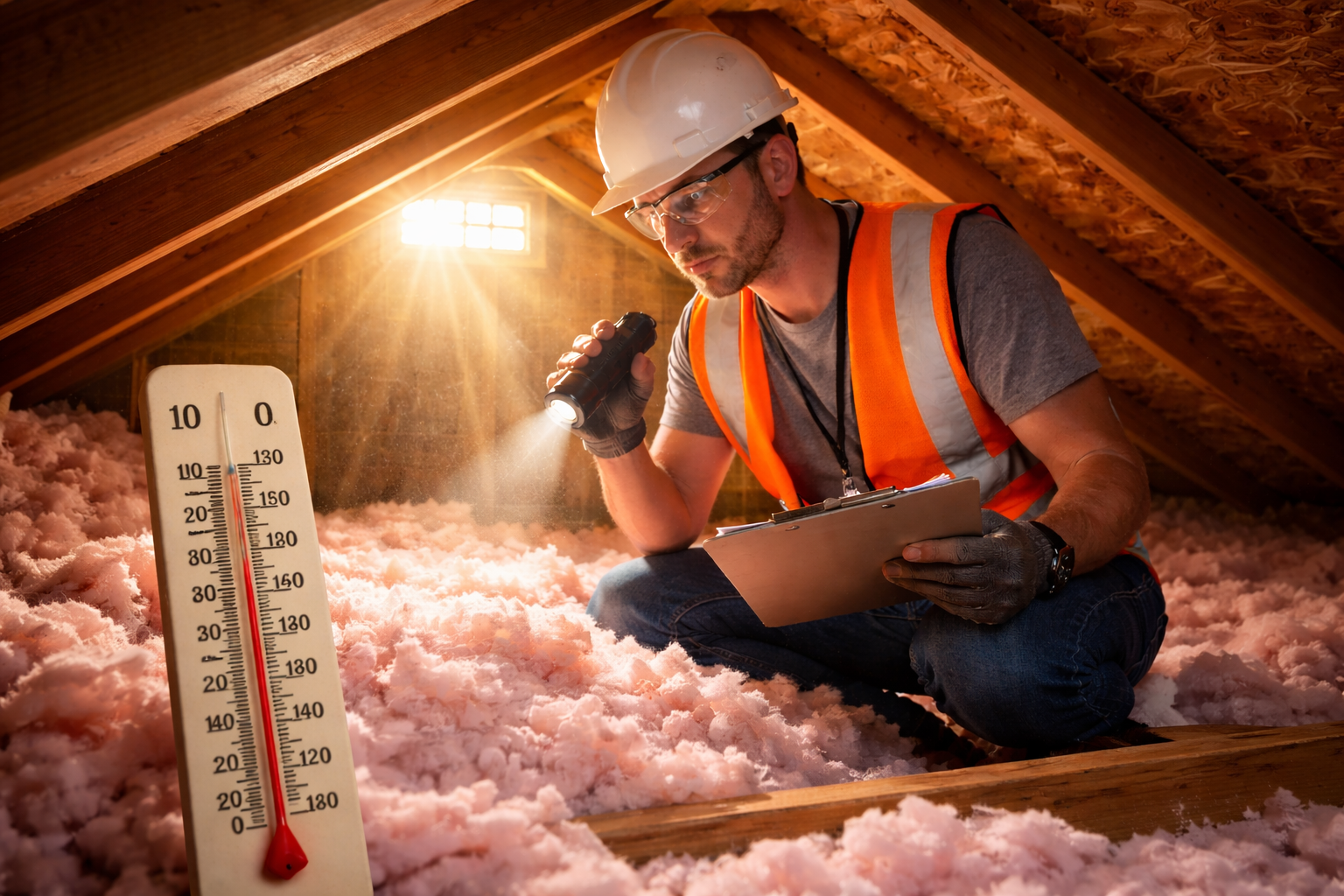
Spring often brings heavy rain and rising humidity. Check attics and crawl spaces for damp insulation or water staining.
Wet insulation loses effectiveness. It can also lead to mold growth and wood rot. Address roof leaks, foundation cracks, and poor ventilation quickly.
Inspect soffit and ridge vents. Proper airflow keeps insulation dry and performing as designed.
Summer: Reduce Heat and Air Leaks
High temperatures stress roof assemblies and attic spaces. Make sure insulation is evenly distributed and not compressed.
Seal air gaps around attic hatches, wiring penetrations, and duct chases. Hot air infiltration increases cooling costs and strains HVAC systems.
If certain rooms feel warmer than others, insulation gaps may be the cause.
Fall: Prepare for Temperature Swings
Before heating season, verify insulation depth and coverage. Look for disturbed areas caused by previous work or pests.
Seal drafts around rim joists and top plates. Even small openings allow conditioned air to escape.
Fall is also an ideal time for a professional energy audit to confirm building performance.
Winter: Prevent Condensation and Heat Loss
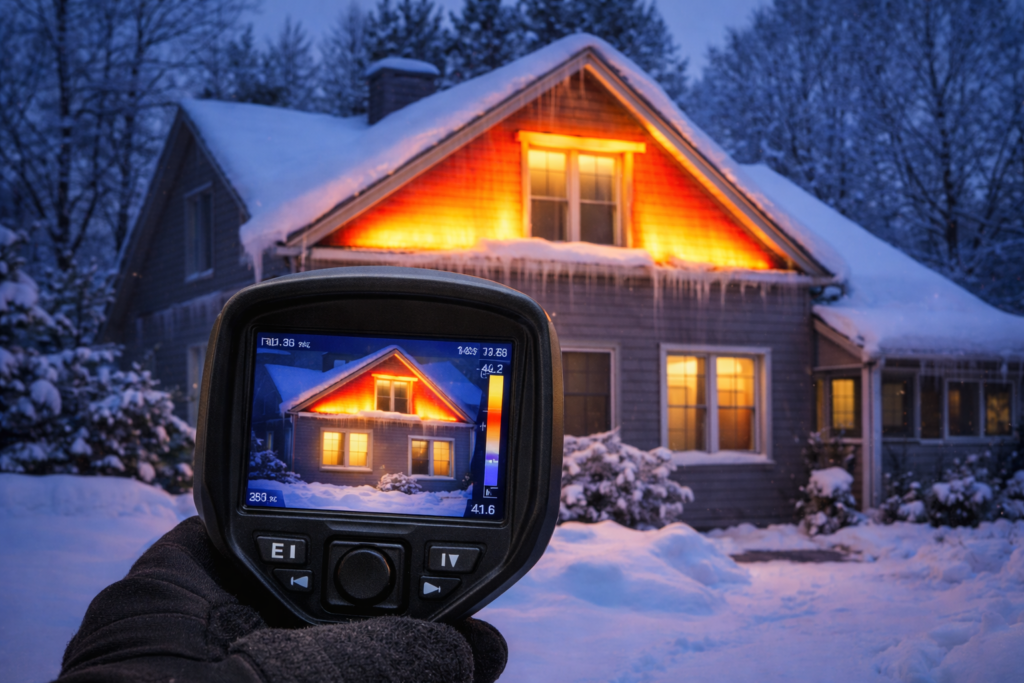
Cold weather exposes weak insulation fast. Watch for ice dams, condensation on windows, or cold ceilings.
These signs often point to air leakage and insufficient insulation. Address issues promptly to prevent long-term damage.
Thermal imaging and blower door testing reveal hidden gaps that visual inspections miss.
Protecting insulation through every season protects the entire building envelope. With proper maintenance and expert diagnostics, insulation continues to deliver comfort and energy savings year after year.
Frequently Asked Questions
How long should insulation last?
Most insulation lasts decades, but performance depends on proper installation and moisture control.
What damages insulation the most?
Moisture is the biggest threat. Water reduces R-value and can lead to mold and structural damage.
When should I call a professional?
If you notice uneven temperatures, high energy bills, or signs of moisture, professional testing ensures accurate diagnosis.