
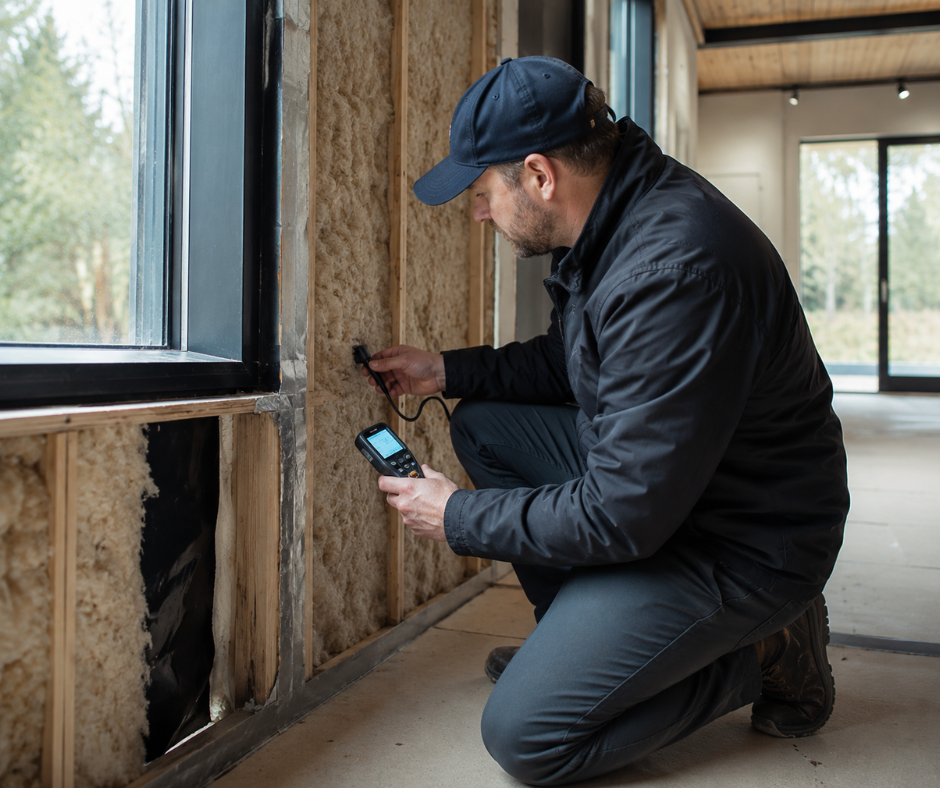
Moisture control is one of the most important aspects of building performance. While insulation often receives the most attention, vapor barriers play an equally critical role in protecting a home’s structure, energy efficiency, and indoor air quality. However, the effectiveness of a vapor barrier depends heavily on where the building is located. Climate zones directly influence how moisture moves through walls, ceilings, and floors, making climate-specific design essential for long-term durability.
At Barrier South, we use building science principles to help homeowners and builders make informed decisions about moisture management. Understanding how climate affects vapor barrier placement can prevent costly issues such as mold growth, wood rot, and reduced insulation performance.
Understanding Vapor Movement
Water vapor naturally travels from areas of higher vapor pressure to areas of lower vapor pressure. Temperature differences and humidity levels drive this movement. When warm, moist air encounters a surface that is cool enough, condensation can form.
If moisture becomes trapped inside a building assembly, it can lead to structural damage and poor indoor air quality. Vapor barriers and vapor retarders are designed to control this movement and reduce the risk of condensation within walls and roofs.
The challenge is that moisture does not always move in the same direction. That direction changes depending on the climate and season.
Vapor Barriers in Cold Climate Zones
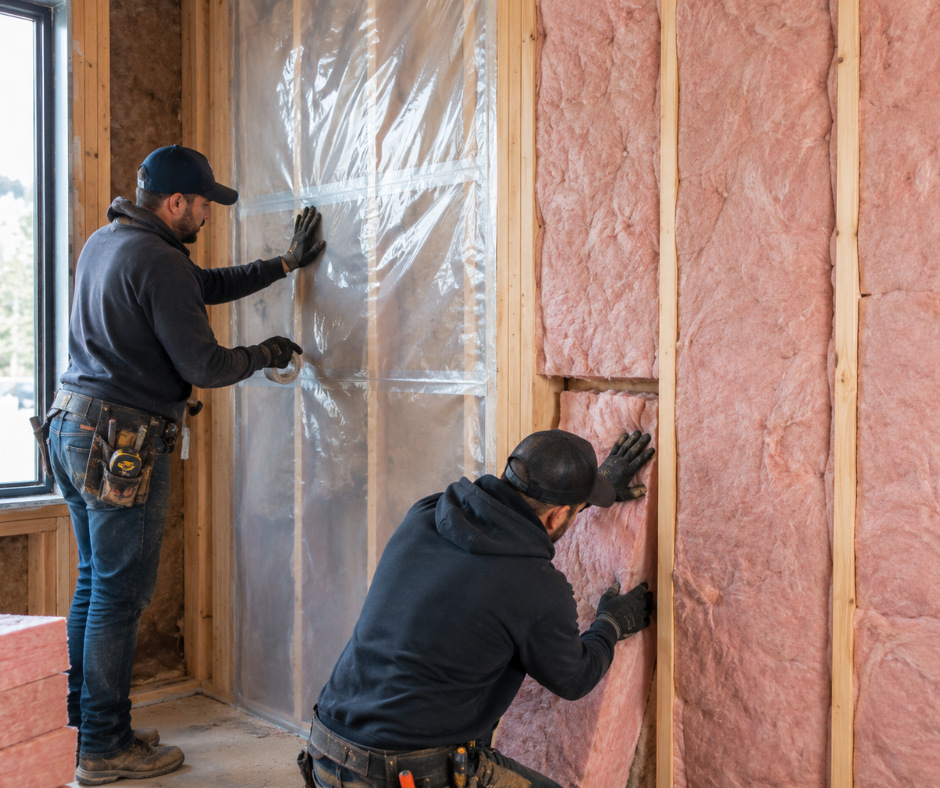
In colder regions, indoor air is typically warmer and contains more moisture than outdoor air during the winter months. As a result, vapor tends to move from the inside of the home toward the exterior.
For this reason, vapor barriers are commonly installed on the warm-in-winter side of the insulation, usually toward the interior of exterior walls. This placement helps prevent indoor moisture from reaching cold surfaces where condensation could occur.
When properly installed, vapor barriers reduce the risk of hidden moisture damage and help maintain insulation performance. However, careful air sealing is equally important. Even a well-designed vapor barrier can be compromised if air leaks allow moist air to bypass the system.
Considerations for Hot and Humid Climates
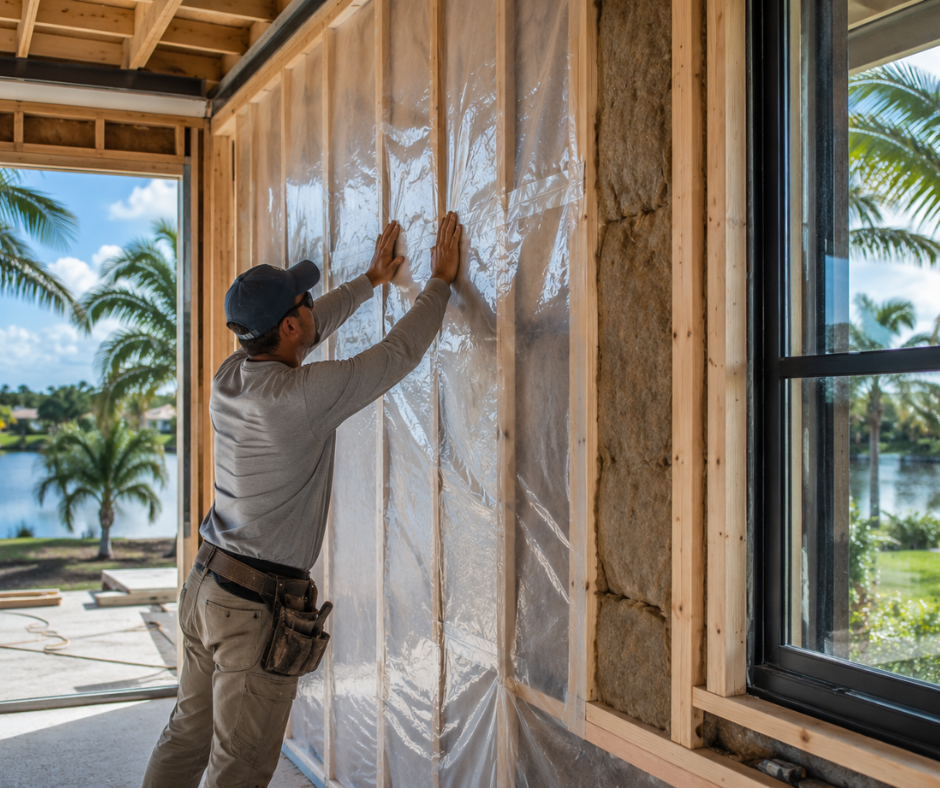
In hot and humid regions, the moisture drive often works in the opposite direction. Outdoor air frequently contains more humidity than the conditioned indoor air.
In these climates, installing a low-permeance vapor barrier on the interior side of a wall can create problems. Moisture entering from outdoors may become trapped within the wall assembly, increasing the risk of mold and material deterioration.
Instead, building designs often focus on controlling bulk water intrusion, managing air leakage, and allowing wall systems to dry toward the interior when conditions permit. The goal is to create assemblies that can effectively handle the region’s high humidity levels without trapping moisture.
This is one reason why vapor barrier recommendations that work well in northern climates may not be appropriate for homes in the Southeast.
Challenges in Mixed Climate Zones
Mixed climate regions experience both heating and cooling seasons throughout the year. Moisture movement may reverse directions depending on outdoor conditions and indoor comfort settings.
These changing conditions make vapor control more complex. Builders often rely on vapor retarders or smart vapor control materials that adjust their permeability based on humidity levels.
These systems provide flexibility by limiting moisture movement when necessary while still allowing assemblies to dry when conditions change. Proper design helps reduce the risk of trapped moisture regardless of the season.
Building Science Drives Better Decisions
There is no universal vapor barrier solution that works for every building and every climate zone. Successful moisture management requires an understanding of local weather conditions, building materials, insulation strategies, and indoor environmental factors.
At Barrier South, we evaluate how all of these components interact to create durable, healthy, and energy-efficient buildings. A climate-specific approach helps ensure that insulation and vapor control systems work together rather than against one another.
By understanding the relationship between climate zones and vapor barrier design, property owners can make smarter decisions that protect their investment and improve long-term building performance.
Frequently Asked Questions
Q: Is a vapor barrier required in every home?
A: Not necessarily. The need for a vapor barrier depends on the climate zone, wall assembly, insulation type, and local building code requirements.
Q: What happens if a vapor barrier is installed in the wrong location?
A: An improperly placed vapor barrier can trap moisture inside building assemblies, potentially leading to mold growth, wood rot, and reduced insulation effectiveness.
Q: How can I determine the best vapor control strategy for my project?
A: A professional building performance assessment can evaluate climate conditions, moisture risks, and construction details to identify the most effective solution.