
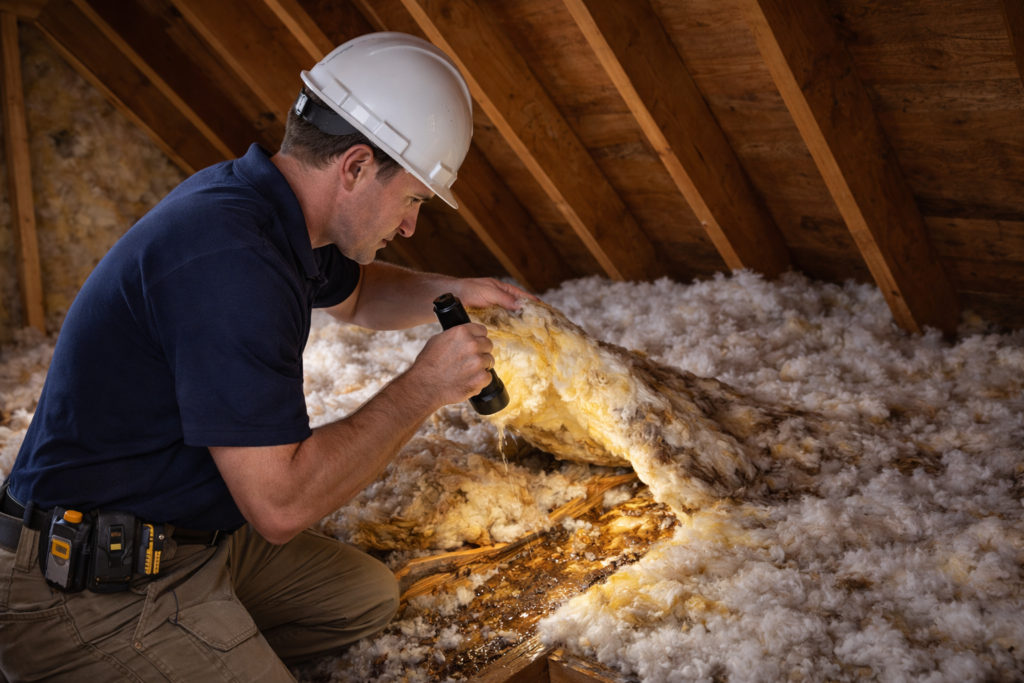
When a home suffers damage, insurance claims often focus on the visible problem. But many disputes begin with hidden building envelope failures.
The building envelope includes walls, roofs, windows, foundations, and insulation. Its job is to control air, moisture, and heat movement. When that control fails, damage spreads quietly.
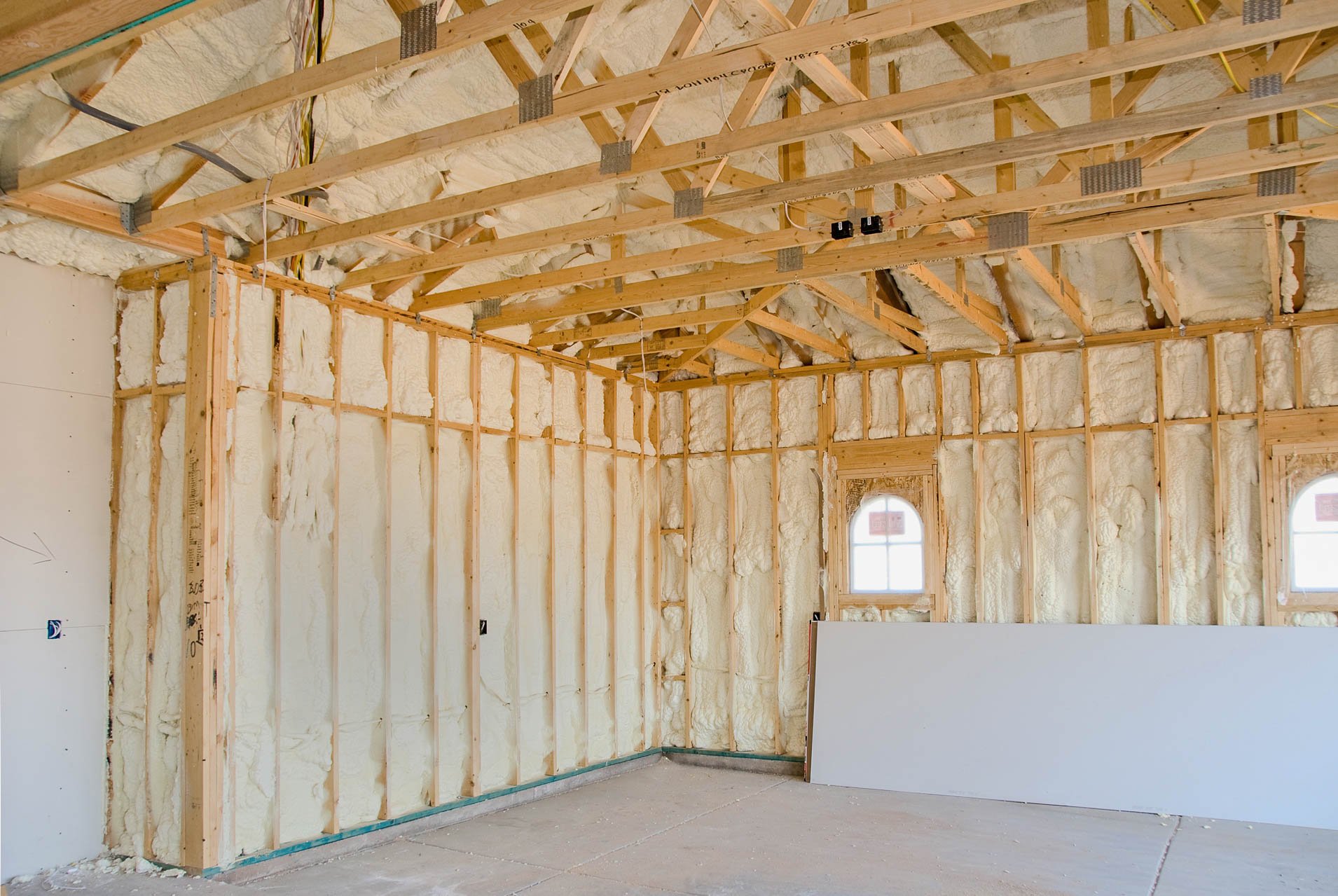
Moisture intrusion is the most common trigger. Small leaks around flashing, siding, or roofs allow water into wall cavities.
Over time, this leads to rot, mold, and structural decay.
Insurance carriers frequently investigate the cause. If damage results from long-term moisture or poor construction, coverage may be denied. Policies typically cover sudden events, not gradual failure.
Air leakage also plays a role. Unsealed penetrations allow humid air to condense inside walls. This hidden moisture can cause insulation collapse and material damage.
Poor insulation installation can complicate claims further. Compressed, missing, or wet insulation reduces thermal performance. It may also signal pre-existing conditions insurers question.
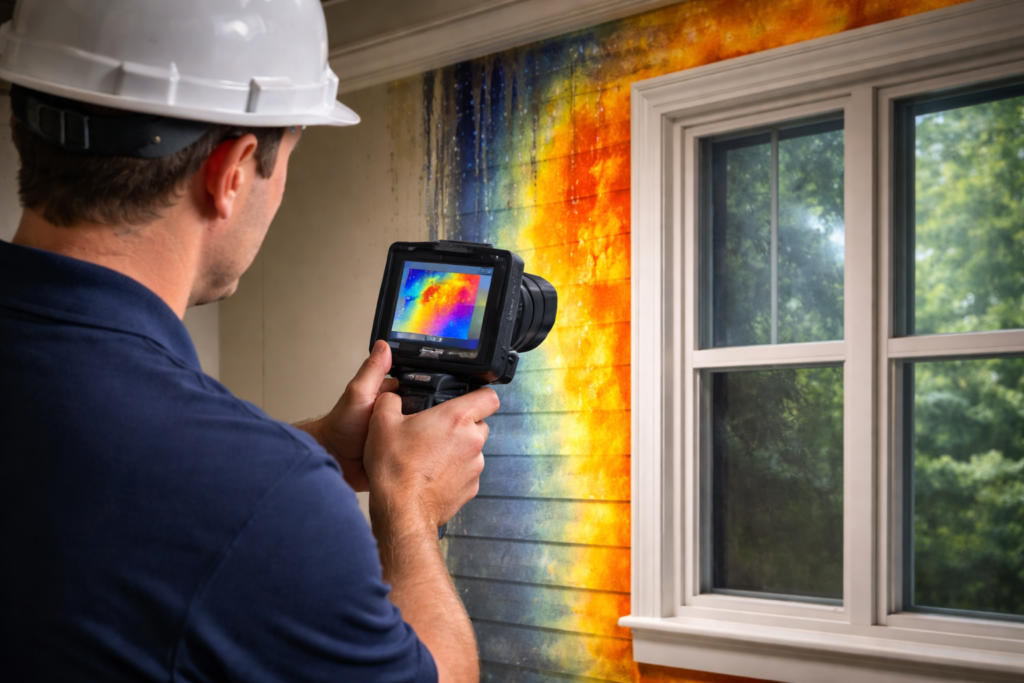
Energy audits help clarify responsibility. Blower door testing and infrared imaging reveal air leaks and moisture paths.
These tools document whether damage is sudden or ongoing.
For homeowners, prevention matters. Regular inspections and envelope improvements reduce risk. They also strengthen documentation if a claim arises.
Barrier South helps identify envelope weaknesses before they become disputes. Science-based diagnostics protect comfort, durability, and financial security.