

Building Smarter Starts with the Basics
If you want your building to last, perform well, and stay healthy for the long haul, thermal and moisture protection should sit at the top of your project priorities. These two systems work together to control temperature, manage humidity, and guard against structural degradation.

The Role of Thermal Protection
Thermal protection limits heat transfer between the inside and outside of your building. It helps maintain a comfortable indoor temperature, reduces strain on HVAC systems, and cuts down on energy use.
Benefits of strong thermal protection:
- Stable indoor temperatures year-round
- Lower heating and cooling costs
- Improved comfort for occupants
- Extended equipment lifespan
Without it, conditioned air escapes, outdoor heat seeps in, and your systems have to work harder to maintain the desired environment.
Why Moisture Control Is Essential
Moisture is one of the leading causes of building failure. Water vapor can infiltrate through walls, ceilings, and foundations—leading to mold growth, wood rot, and corrosion. Moisture issues often go unnoticed until they cause serious (and expensive) damage.
Moisture protection helps:
- Prevent mold and mildew growth
- Protect structural materials from decay
- Maintain indoor air quality
- Reduce maintenance and repair costs
Neglecting moisture control can compromise even the best thermal barrier, making both systems less effective.
How They Work Together
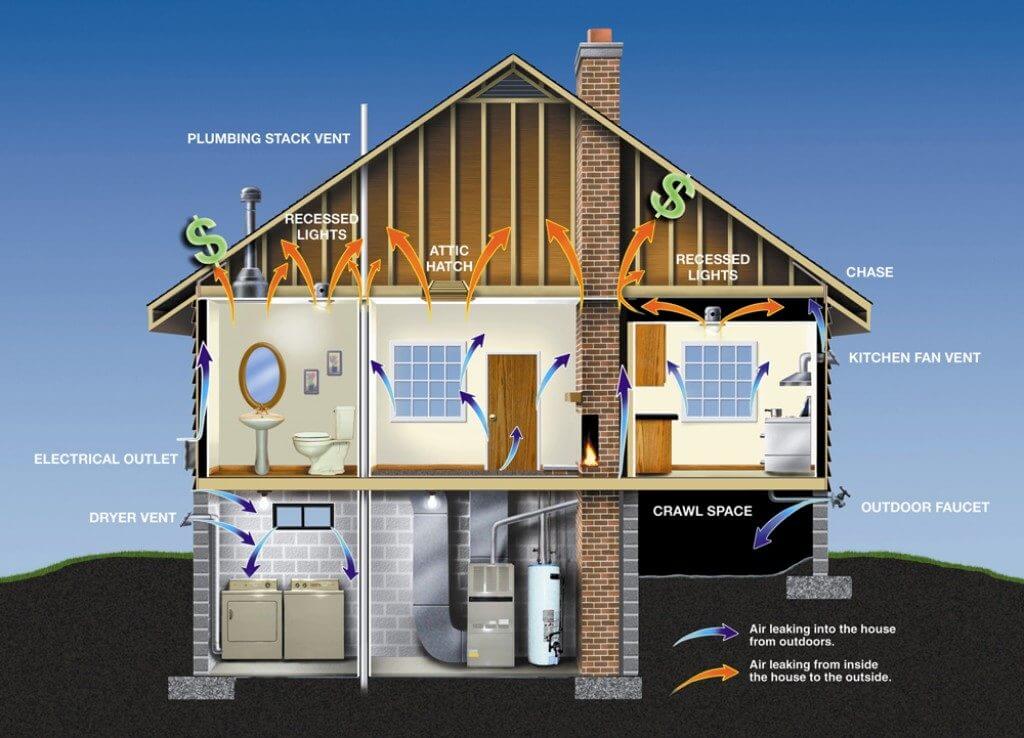
Thermal and moisture protection are most effective when designed to function as a system. Insulation materials should not only reduce heat transfer but also block or control the movement of moisture.
Spray foam insulation is a prime example. Closed-cell foam acts as both a thermal insulator and a moisture barrier. It seals cracks and gaps, eliminating air leaks and reducing the pathways through which heat and water vapor travel.
The Cost of Getting It Wrong
Failure to prioritize these protections can result in:
- High energy bills due to heat loss and gain
- Structural damage from trapped moisture
- Indoor air quality issues from mold
- Code violations and failed inspections
- Premature system failures and high repair costs
Many of these problems aren’t visible right away. They emerge over time—and by then, remediation is much more expensive than prevention.
Climate Considerations
In hot, humid regions like the Southeastern U.S., moisture protection is just as important as thermal protection. Buildings in these areas need insulation strategies that can resist vapor intrusion while also managing extreme heat.
In colder climates, preventing heat loss is paramount, but condensation from indoor humidity against cold surfaces is a major risk. Choosing the right materials and barrier placements is critical.
Material Matters
Not all insulation provides both protections. Traditional fiberglass may offer thermal resistance, but it performs poorly against air and moisture. Vapor retarders can slow vapor diffusion, but won’t stop air leaks.
Look for materials that deliver:
- High R-value
- Low permeability
- Seamless application
- Long-term stability
Closed-cell spray foam, properly installed membranes, and integrated air/moisture barriers are often the most effective solutions.
Final Thoughts
Thermal and moisture protection aren’t just checkboxes on a spec sheet. They’re essential building systems that influence comfort, health, performance, and cost. Investing in the right solutions upfront—like spray foam insulation—pays off through fewer problems, better energy efficiency, and long-term peace of mind. Make these your top priority, and everything else falls into place more easily.