

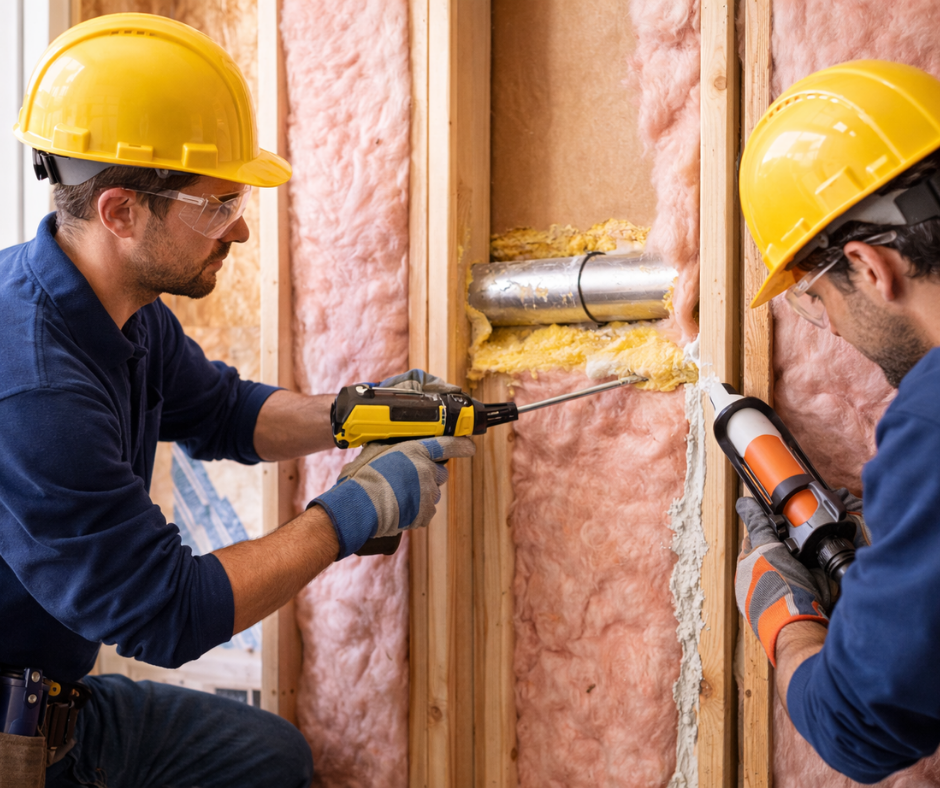
Small envelope problems rarely stay small. A loose seam, cracked sealant, or missed flashing detail can quietly let in air and moisture. At first, the damage may seem cosmetic. Over time, it can affect comfort, energy use, and the durability of the whole building.
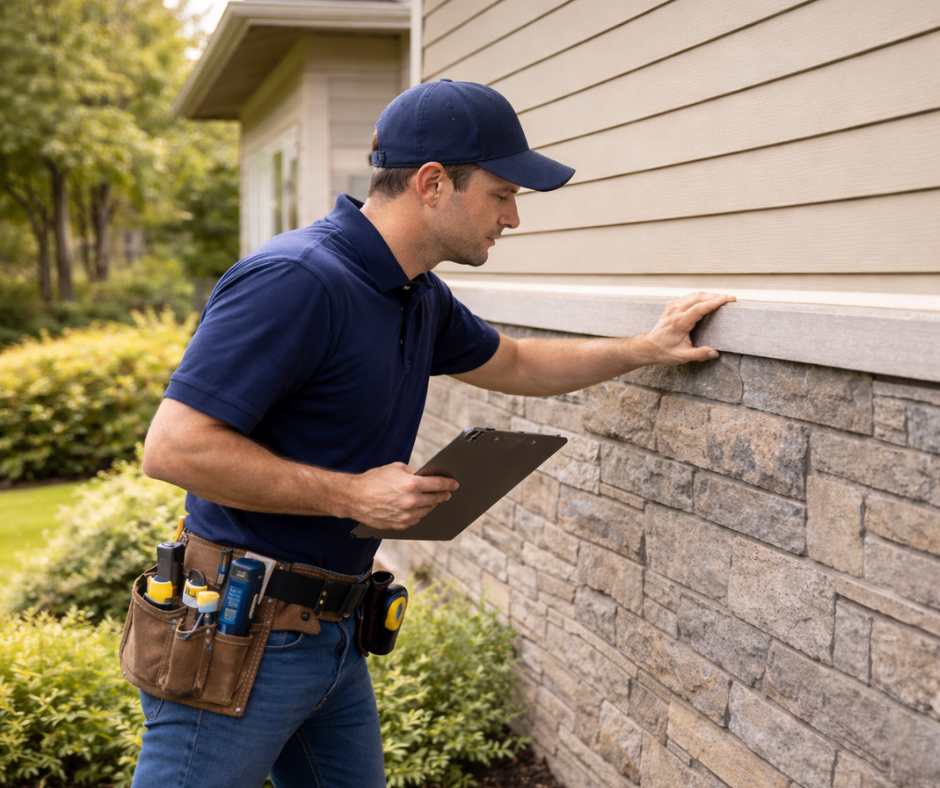
When the building envelope is compromised, conditioned air escapes and outside air slips in. That puts more strain on HVAC systems and often leads to uneven temperatures indoors. Occupants may notice drafts, humid rooms, or rising utility bills before they ever see visible damage.
Moisture is the bigger concern. Water intrusion can soak insulation, reduce its performance, and create conditions for mold and wood rot. In commercial spaces, delayed repairs can also interrupt operations and increase maintenance costs. What begins as a minor repair can turn into a much larger restoration project.
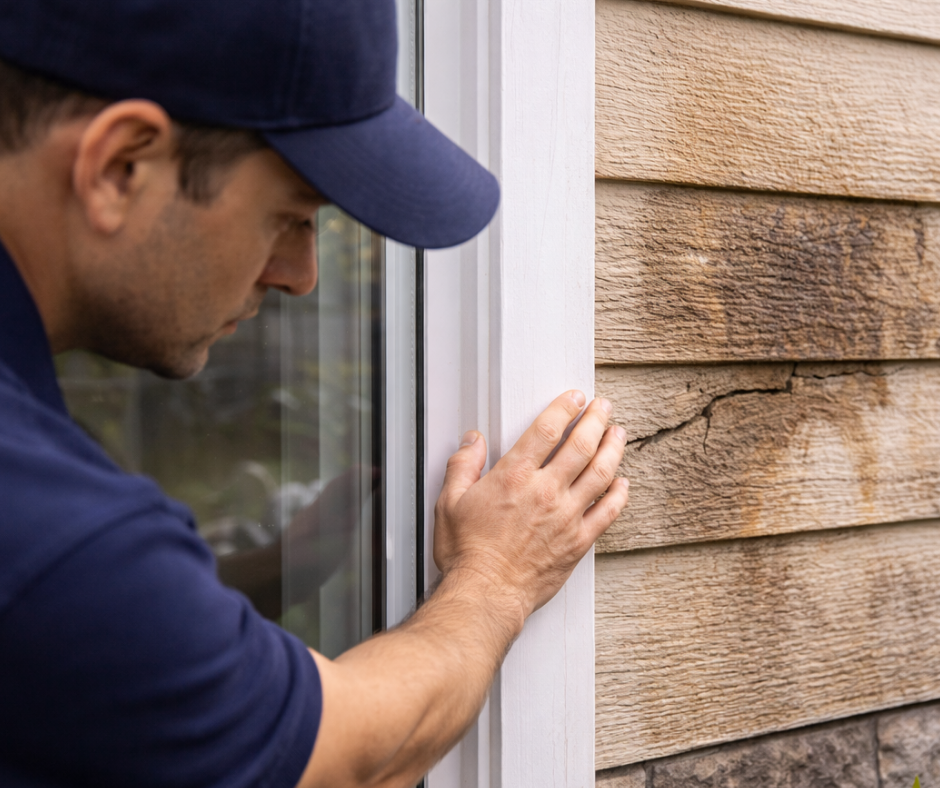
Delaying envelope work also makes diagnosis harder. Once moisture travels behind cladding or into wall assemblies, the source is not always obvious. That is why early testing and targeted repair matter. A careful inspection can identify weak points before they affect structural materials or indoor air quality.
At Barrier South, we look at envelope performance as part of the whole building system. Repairs should not just cover symptoms. They should restore control over air, water, and thermal movement. That approach helps buildings stay healthier, more efficient, and more durable.
Frequently Asked Questions
What is the building envelope?
It is the outer shell of the building, including walls, roof, windows, doors, and assemblies that separate indoors from outdoors.
How do I know repairs should not wait?
Drafts, stains, musty odors, peeling finishes, or higher energy bills are all signs the envelope may need attention.
Why fix the envelope before replacing HVAC equipment?
If air leaks and moisture problems remain, new equipment may still work harder than it should and deliver less comfort.