

Spray foam insulation can improve comfort and efficiency. But many homeowners ask how it affects indoor air quality. The answer depends on installation, materials, and curing.

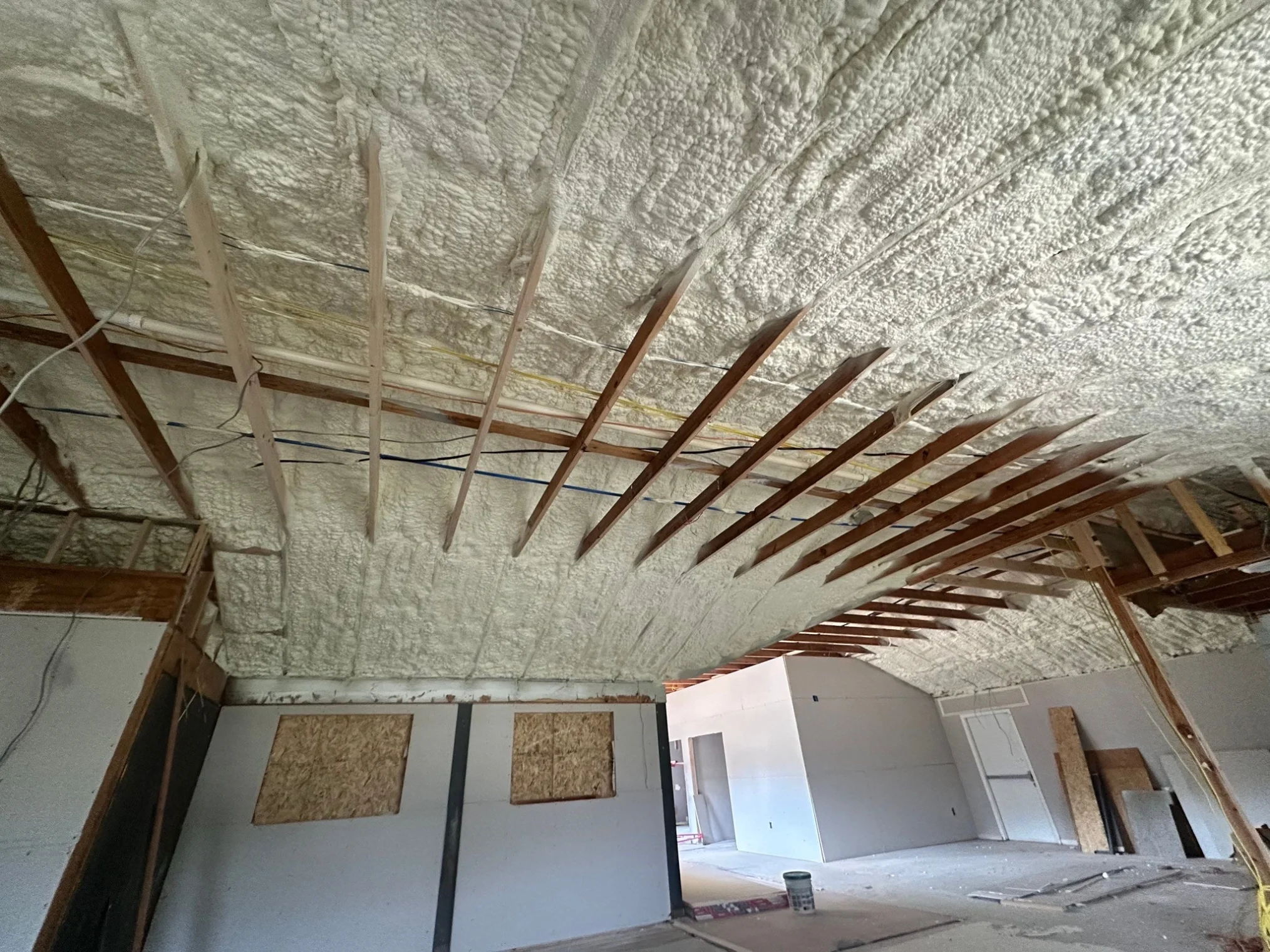
When properly installed, spray foam creates an air seal. This reduces outdoor pollutants, allergens, and moisture entering the home. A tighter building envelope often leads to cleaner, more controlled indoor air.
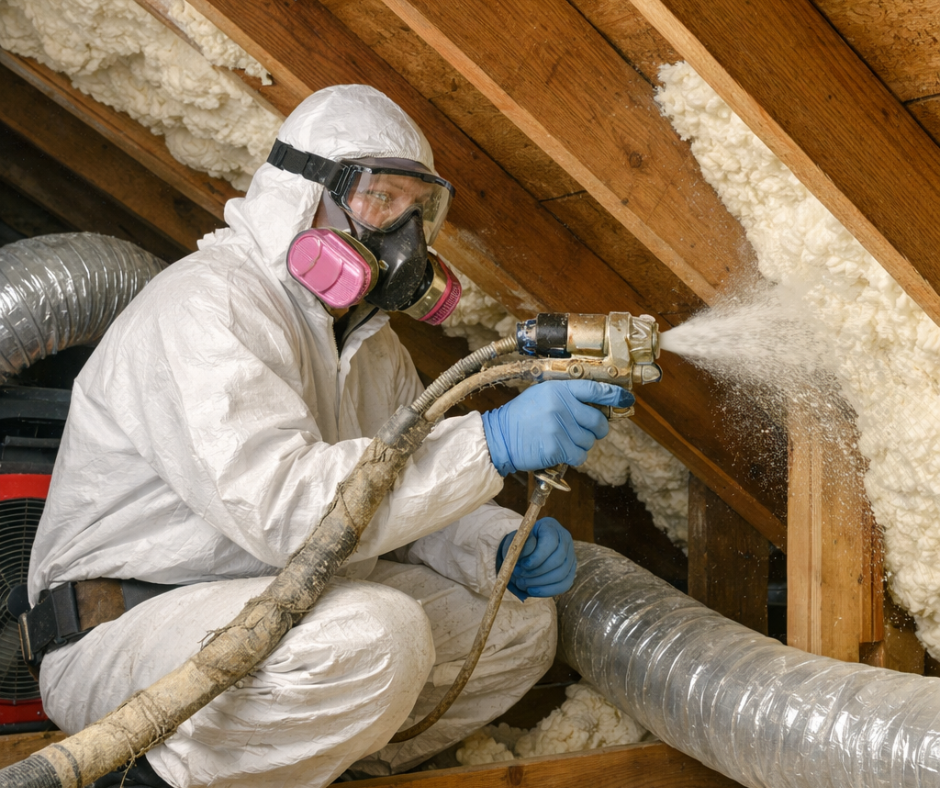
However, installation matters. During application, spray foam releases chemicals that require proper ventilation. Professional installers use safety protocols and ensure the space is vacated until curing is complete. Once cured, high-quality spray foam is stable and inert.
Ventilation also plays a key role. A well-sealed home needs balanced airflow. Without it, indoor pollutants can build up. This is why energy-efficient homes often include mechanical ventilation systems to maintain healthy air exchange.
Moisture control is another benefit. Spray foam limits condensation and reduces the risk of mold growth. That directly supports healthier indoor air over time.
At Barrier South, we approach spray foam as part of a full building system. Proper installation, ventilation planning, and moisture control work together to protect both performance and health.
Frequently Asked Questions
Does spray foam insulation release harmful fumes long-term?
No. Once properly cured, spray foam does not continue to off-gas at harmful levels.
How long should I stay out of my home after installation?
Most projects require 24 hours, but your installer will give specific guidance.
Do I need ventilation with spray foam insulation?
Yes. A tighter home benefits from controlled ventilation to maintain healthy indoor air.