Managing a commercial building requires more than responding to equipment failures and unexpected maintenance issues. Facility managers must balance operational efficiency, occupant comfort, energy consumption, and long-term maintenance expenses.
A proactive approach to building maintenance can significantly reduce long-term repair costs. By investing in insulation, energy assessments, moisture management, and preventive maintenance, facility managers can protect building assets and improve overall performance.
Prioritize Preventive Maintenance
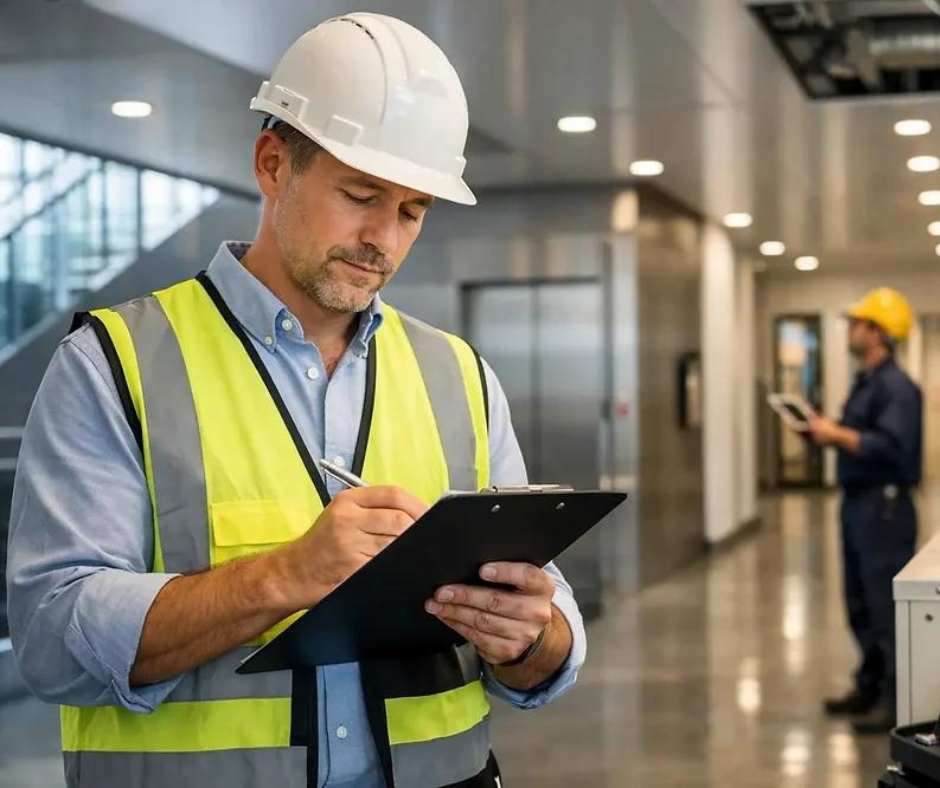
Preventive maintenance is one of the most effective strategies for controlling building repair expenses. Routine inspections help facility managers identify developing problems before they require extensive repairs or equipment replacement.
Regularly assessing roofing systems, insulation, ventilation, and mechanical equipment can reveal early signs of deterioration. Small air leaks, damaged insulation, and moisture intrusion may seem insignificant initially. However, these issues can contribute to more serious structural and mechanical problems over time.
Establishing a consistent maintenance schedule helps facility managers reduce unexpected expenses, minimize operational disruptions, and extend the lifespan of building components.
Invest in High-Performance Insulation
Insulation plays an important role in protecting commercial buildings and reducing operational expenses. Inadequate or deteriorating insulation allows unwanted heat transfer, making heating and cooling systems work harder.
This additional workload increases energy consumption and contributes to premature equipment wear. Over time, facility managers may face more frequent HVAC repairs and costly equipment replacements.
High-performance insulation helps maintain consistent indoor temperatures and reduces unnecessary mechanical strain. When combined with proper air sealing, insulation can improve energy efficiency, support occupant comfort, and lower maintenance requirements.
Professional insulation assessments help identify opportunities to improve thermal performance throughout the building.
Address Moisture Problems Early
Moisture intrusion is a common concern that can lead to expensive commercial building repairs. Water leaks, uncontrolled condensation, and excessive indoor humidity can damage insulation, drywall, wood, and other construction materials.
Persistent moisture problems may also contribute to mold growth and indoor air quality concerns.
Facility managers should regularly inspect areas vulnerable to moisture accumulation, including roofs, walls, crawl spaces, and mechanical rooms. Effective moisture management requires understanding how air, heat, and water move through a building.
Proper insulation, air sealing, drainage, and ventilation strategies can help control moisture when designed for the building’s specific conditions. Addressing these concerns early protects building materials and reduces the likelihood of extensive restoration work.
Use Energy Audits to Identify Hidden Problems
Not every building performance issue is immediately visible. Commercial buildings can experience significant energy loss through hidden insulation gaps, air leakage, and inefficient building envelope systems.
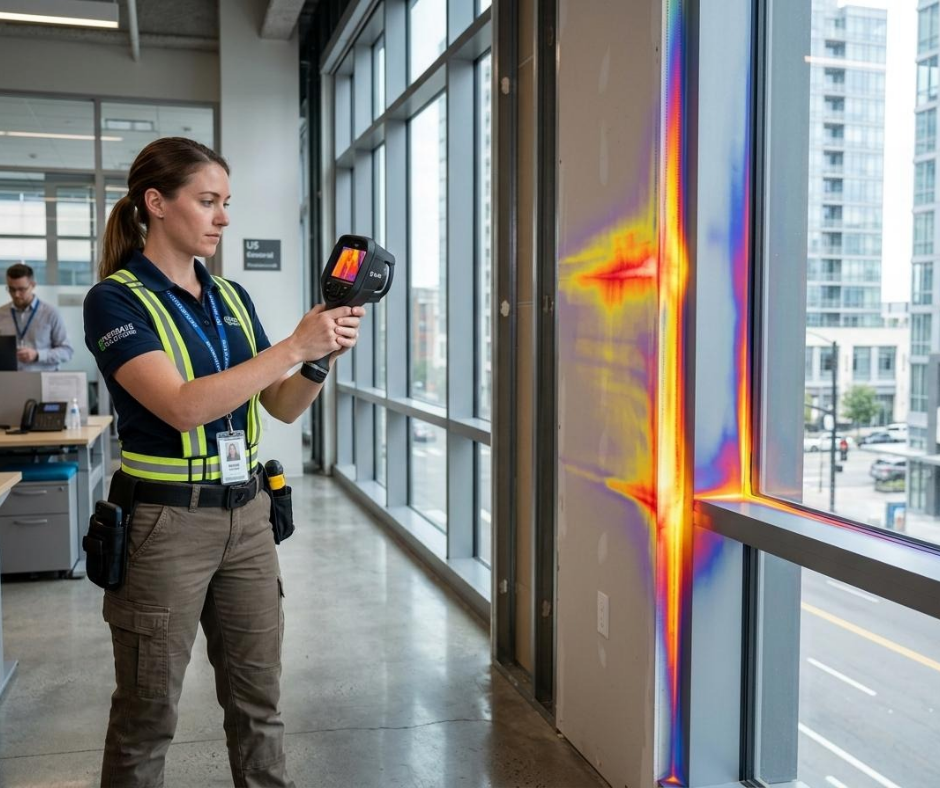
Energy audits provide valuable insights into these underlying problems. Building performance specialists can use diagnostic tools, including thermal imaging and air leakage testing, to identify areas requiring improvement.
These assessments help facility managers prioritize maintenance projects based on actual building conditions rather than assumptions.
Understanding where energy is being wasted also supports more accurate budgeting. Facility managers can direct available resources toward improvements that deliver meaningful operational and financial benefits.
Reduce Strain on Mechanical Systems
Heating, ventilation, and air conditioning systems represent a significant investment for commercial properties. Poor building envelope performance can increase the demand placed on these systems throughout the year.
Improving insulation and controlling unwanted air leakage can reduce heating and cooling loads. As a result, mechanical equipment may operate more efficiently and experience less unnecessary wear.
Facility managers should combine building envelope improvements with routine HVAC servicing, filter replacements, and equipment performance monitoring.
This comprehensive approach supports reliable system operation while helping reduce unexpected repair expenses and premature equipment replacement.

Develop a Long-Term Maintenance Strategy
Effective facility management requires considering the entire lifecycle of building systems and materials. Choosing improvements based solely on upfront costs can result in higher expenses over time.
Facility managers should evaluate energy performance, material durability, maintenance requirements, and potential repair costs when planning upgrades.
Documenting inspections, tracking maintenance expenses, and monitoring building performance can help identify recurring problems. This information supports better financial planning and more informed investment decisions.
A well-maintained building can also provide greater occupant comfort, improved operational reliability, and stronger long-term property value.
Partner With Building Performance Experts
Barrier South helps facility managers improve building performance through professional insulation, energy assessments, and science-based solutions.
By addressing underlying building deficiencies, facility managers can move beyond reactive maintenance and develop more effective long-term strategies. Investing in building performance today helps protect commercial properties, reduce unnecessary expenses, and create healthier, more comfortable indoor environments.
Frequently Asked Questions
How does insulation help reduce long-term repair costs?
Proper insulation reduces heating and cooling demands, limits unnecessary HVAC wear, and supports effective moisture management when correctly installed.
How often should facility managers schedule building inspections?
Routine inspections should occur throughout the year, with frequency depending on building conditions, equipment requirements, and seasonal changes.
Are energy audits worth the investment for commercial buildings?
Yes. Energy audits help identify hidden inefficiencies, prioritize maintenance improvements, and uncover opportunities to reduce long-term operating and repair expenses.