Your exterior wall system does much more than define the appearance of your home or commercial building. It serves as the primary barrier against wind, rain, heat, humidity, and air infiltration. In the Southeast, where buildings face high moisture levels, intense summer heat, frequent storms, and occasional hurricanes, exterior walls endure constant environmental stress. Without regular inspections, small issues can quickly develop into expensive structural and energy-efficiency problems.
Routine exterior wall inspections are one of the most effective ways to protect your investment. By identifying hidden defects early, property owners can prevent moisture intrusion, reduce repair costs, and improve overall building performance.

Why Exterior Wall Systems Matter
An exterior wall system is made up of several components working together. These include the cladding, weather-resistant barriers, insulation, flashing, sealants, and structural framing. When every part functions properly, the building remains dry, comfortable, and energy efficient.
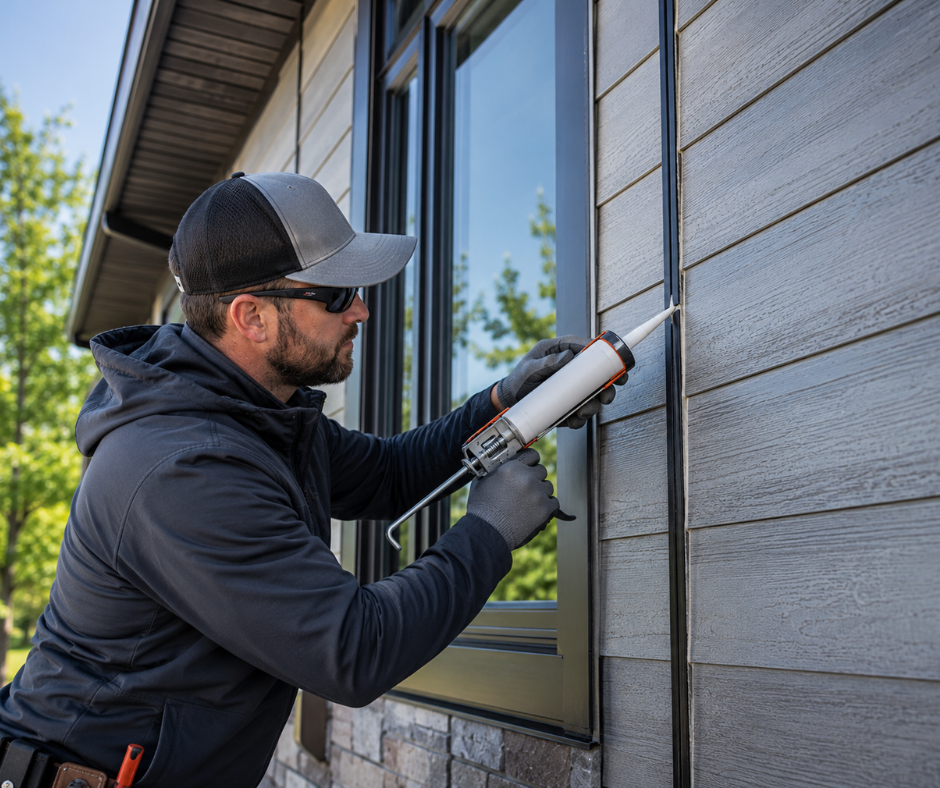
However, if one component begins to fail, the entire system can be compromised. A cracked sealant joint or improperly sealed penetration may allow water to enter behind the cladding. Once moisture becomes trapped inside the wall assembly, it can damage insulation, encourage mold growth, deteriorate framing materials, and reduce indoor air quality.
Many of these issues remain hidden until significant damage has already occurred, making regular professional inspections essential.
Common Problems Found During Inspections
Exterior wall inspections often reveal issues that aren’t visible during everyday use. Some of the most common findings include:
- Cracked or deteriorated sealants
- Loose or damaged siding and cladding
- Failed flashing around windows and doors
- Water intrusion behind wall assemblies
- Air leaks reducing energy efficiency
- Insulation that has become wet or compressed
- Early signs of structural movement or deterioration
These problems may appear minor at first, but they can worsen quickly under the Southeast’s hot, humid climate.
How Inspections Improve Energy Efficiency
Exterior wall systems play a major role in maintaining a building’s thermal envelope. Even small air leaks allow conditioned air to escape while humid outdoor air enters the building. As a result, heating and cooling systems must work harder to maintain comfortable indoor temperatures.
Regular inspections help identify gaps, deteriorated insulation, and moisture-related issues that reduce energy performance. Correcting these deficiencies helps lower utility costs, improve occupant comfort, and reduce unnecessary wear on HVAC equipment.
For property owners focused on sustainability, maintaining the building envelope is one of the most cost-effective ways to improve overall energy efficiency.
Preventing Expensive Repairs
The greatest benefit of routine inspections is early detection. Repairing a failed sealant joint or replacing damaged flashing is far less expensive than replacing rotted framing, mold-damaged insulation, or entire wall assemblies.
Preventive maintenance also helps extend the lifespan of exterior finishes and structural components. Instead of waiting until water damage becomes visible inside the building, inspections allow repairs to be scheduled before problems escalate.
Following severe storms or hurricanes, inspections become even more valuable. High winds and wind-driven rain can create hidden damage that may not be immediately noticeable but can lead to long-term deterioration if left untreated.
Why Professional Inspections Matter
While property owners can often identify obvious damage, many building envelope problems require specialized knowledge and diagnostic equipment. Building performance professionals understand how moisture, air movement, insulation, and construction details interact within the wall system.
Using tools such as moisture meters, infrared imaging, and visual assessments, professionals can detect hidden issues before they become costly repairs. Rather than simply treating visible symptoms, they identify the underlying causes of performance problems.
At Barrier South, our building science expertise allows us to evaluate exterior wall systems with a focus on durability, moisture management, and energy performance. We help homeowners, builders, and commercial property owners protect their investments through comprehensive inspections and practical solutions designed for the unique climate of the Southeast.
Frequently Asked Questions
How often should exterior wall systems be inspected?
Most residential and commercial buildings should have a professional inspection every two to three years. Additional inspections are recommended after severe storms, hurricanes, or whenever signs of water intrusion appear.
What are the warning signs that my exterior wall system needs attention?
Common indicators include cracked caulking, peeling paint, water stains, loose siding, bulging walls, mold growth, drafts, or rising energy bills. Any of these symptoms may indicate hidden moisture or air leakage.
Can exterior wall inspections help reduce energy bills?
Yes. Inspections identify air leaks, damaged insulation, and moisture problems that reduce building efficiency. Correcting these issues helps improve indoor comfort while lowering heating and cooling costs.