
Heavy rain is part of life across the Southeast. Strong storms can deliver large amounts of water in a short period. Even a well-maintained home can develop problems when drainage systems, exterior materials, or moisture controls become overwhelmed.
A quick inspection after major rainfall can help homeowners catch trouble early. More importantly, it can reveal how water is interacting with the entire building.
Here are some of the most common exterior maintenance issues to watch for after heavy rain.
Clogged or Damaged Gutters
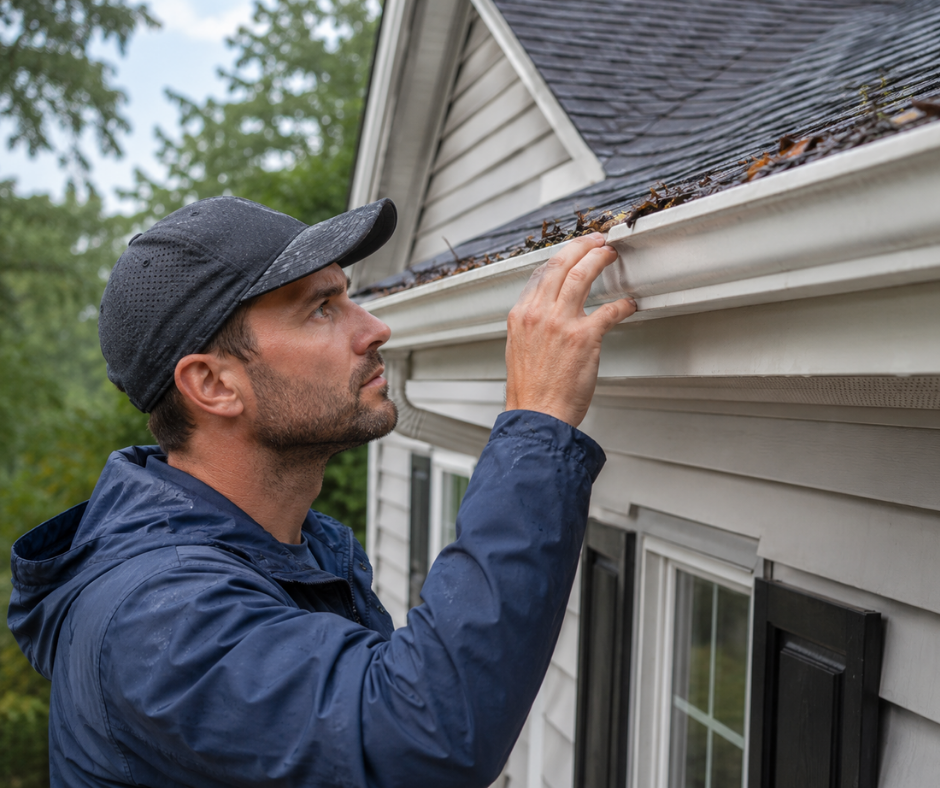
Gutters are one of the first places to inspect after a storm. Leaves, pine needles, branches, and other debris can block water flow.
When gutters overflow, water may run down siding or collect around the foundation. Loose gutters and damaged downspouts can create similar problems.
Check that gutters remain securely attached and free of debris. Downspouts should also direct water away from the foundation.
Proper drainage is an important part of exterior maintenance after heavy rain.
Standing Water Near the Foundation
Puddles near the foundation deserve attention, especially when they remain long after rainfall stops.
The soil around a home should generally encourage water to move away from the structure. Poor grading can instead direct rainwater toward foundation walls and crawl spaces.
Repeated water exposure can increase moisture around the building. Over time, that moisture may affect wood framing, insulation, and other materials.
Look for pooling water, washed-out soil, and signs of erosion around the property.
Roof and Flashing Damage
Heavy rain often arrives with strong winds. That combination can expose weaknesses in roofing materials and flashing.
Homeowners can safely inspect the roof from the ground for missing or lifted shingles. Also watch for damaged gutters, displaced flashing, or debris on the roof.
Inside the home, ceiling stains or damp areas may indicate that water has found a path through the roof assembly.
Roof leaks should not be ignored. Water can travel before becoming visible, making the source difficult to identify without a closer inspection.
Siding and Exterior Penetrations
Siding is designed to help manage weather, but it is not the only layer protecting the home.
Wind-driven rain can reach gaps around exterior penetrations, joints, vents, pipes, and utility connections. Cracked or damaged siding may also allow additional water into the wall assembly.
Walk around the home after a storm. Look for loose panels, cracks, staining, damaged trim, or areas that remain unusually wet.
These signs may point to a larger moisture-management issue.
Windows, Doors, and Exterior Seals
Windows and exterior doors are common areas for air and water leakage.
Heavy rain can reveal problems that remain unnoticed during dry weather. Check around frames and trim for dampness, peeling finishes, cracked caulk, or visible gaps.
Air leakage and water intrusion can sometimes occur around the same vulnerable connections. Correct sealing helps support comfort while protecting building materials from unwanted moisture.
However, sealing should address the actual source rather than simply covering visible symptoms.
Crawl Space Moisture
Crawl spaces deserve special attention in the Southeast because warm temperatures and high humidity can create challenging moisture conditions.
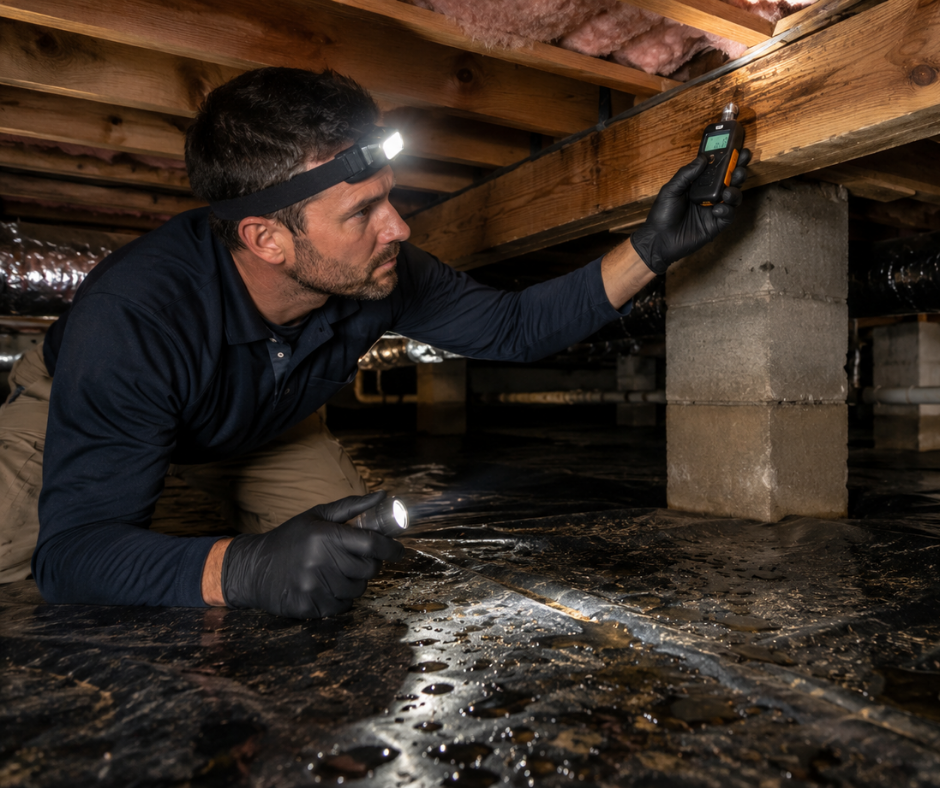
After heavy rain, inspect accessible crawl spaces for standing water, damp insulation, condensation, or musty odors. Also look for damaged ground vapor barriers and obvious drainage problems.
Wet or poorly installed insulation may not perform as intended. Persistent crawl space moisture can also influence indoor humidity and comfort.
This is where building science becomes especially useful.
A building-performance professional can evaluate how drainage, air leakage, insulation, and moisture movement work together. The goal is to identify the source instead of treating each symptom separately.
Why a Whole-Home Approach Matters
Exterior maintenance after heavy rain involves more than repairing visible storm damage.
Water follows pathways created by gravity, pressure, material connections, and building design. A wet crawl space might involve exterior drainage. A damp wall could involve flashing, siding, air leakage, or several factors together.
Barrier South approaches these concerns through building science. Understanding the relationship between insulation, air sealing, moisture, and energy performance can lead to more effective solutions.
That approach helps homeowners protect comfort and building durability while avoiding repeated repairs that never address the underlying issue.
Frequently Asked Questions
What should I inspect first after heavy rain?
Start with gutters, downspouts, roofing, siding, windows, doors, and foundation drainage. Look for standing water, visible damage, stains, loose materials, and damp areas.
Can heavy rain damage home insulation?
Yes. Water intrusion can reduce the performance of some insulation materials. Damp conditions may also indicate a larger air leakage, drainage, or moisture-control problem that should be investigated.
When should I contact a building-performance professional?
Consider professional help when moisture keeps returning, insulation becomes wet, indoor humidity increases, or the source is difficult to locate. A building-performance assessment can help identify how different parts of the home are contributing to the problem.