
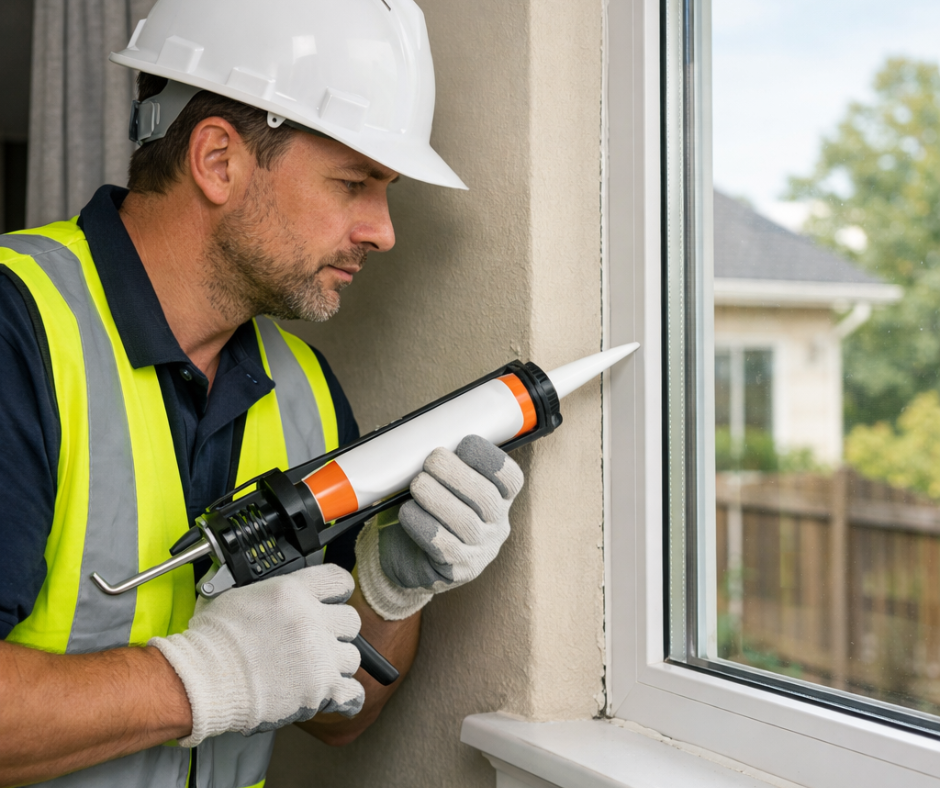
Sealants play a small role with a big impact. When materials do not work well together, failure can happen fast. Cracking, peeling, and loss of adhesion are common signs.
Compatibility issues often occur when different chemistries meet. Silicone, polyurethane, and acrylic sealants all behave differently. Some release oils or solvents that weaken nearby materials.
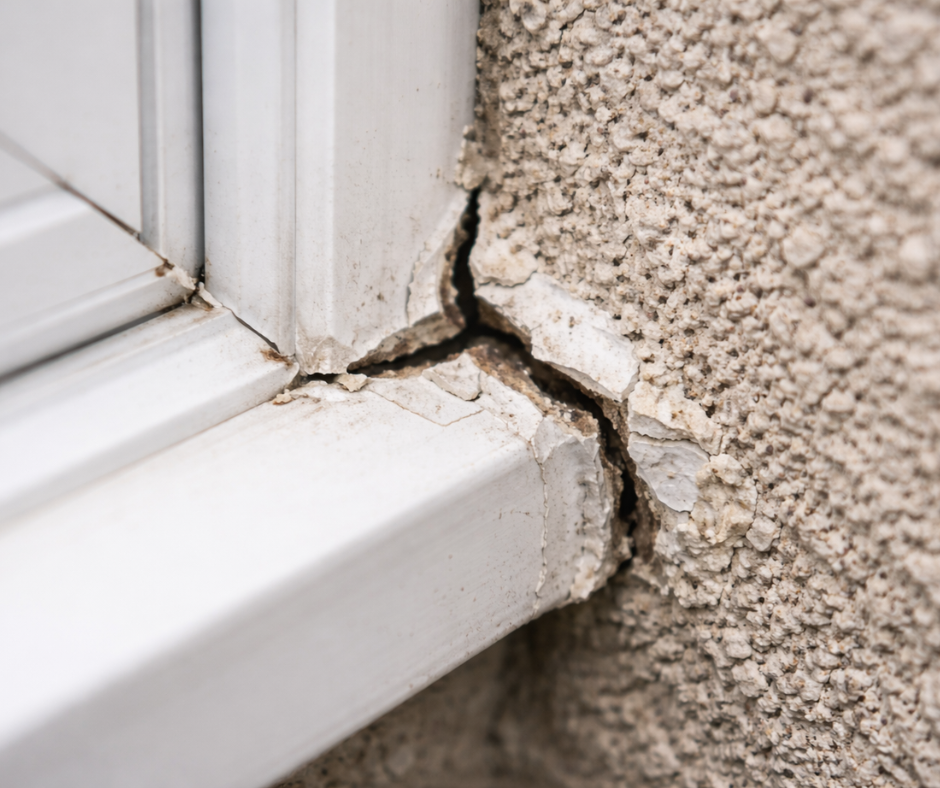
Surface condition also matters. Dust, moisture, or old residue can prevent proper bonding. Even the best sealant will fail on a poorly prepared surface.
Temperature and movement add another layer. Buildings expand and contract daily. If the sealant cannot handle that movement, it will break down over time.
At Barrier South, we see these issues during energy audits. Failed seals lead to air leaks, moisture entry, and reduced efficiency. The result is higher energy bills and lower comfort.

Choosing the right sealant starts with understanding the materials involved. Always match the sealant to the substrate. Check manufacturer guidelines and test when unsure.
Proper installation is just as important. Clean surfaces, apply at the right temperature, and allow proper curing time. These steps prevent early failure and ensure long-term performance.
Frequently Asked Questions
What happens if sealants are not compatible?
They can lose adhesion, crack, or react chemically. This leads to leaks and reduced durability.
Can I apply new sealant over old sealant?
Sometimes, but not always. Old material must be compatible and properly cleaned. When in doubt, remove and replace.
How do I know which sealant to use?
Check the substrate and environment. Manufacturer specs and professional guidance help avoid costly mistakes.