Water intrusion can create serious problems for industrial buildings. Warehouses, manufacturing plants, processing facilities, and distribution centers often have large building envelopes with many potential entry points.
Across the Southeast, heavy rainfall, humidity, temperature changes, and demanding operating conditions can make moisture management especially important. An effective industrial building waterproofing strategy helps protect structural materials, equipment, inventory, and indoor conditions.
Barrier South provides commercial waterproofing and building-envelope solutions across Georgia, South Carolina, North Carolina, Tennessee, and Florida. Understanding common waterproofing challenges is the first step toward creating lasting protection.
Why Industrial Buildings Face Unique Waterproofing Problems
Industrial facilities are often much larger and more complex than residential buildings. Their roofs, exterior walls, foundations, loading areas, penetrations, and expansion joints can cover thousands of square feet.
Every transition creates another location where water may enter.
Industrial operations can also generate heat, humidity, and pressure differences. These conditions may affect how moisture moves through the building envelope.
A waterproofing system must therefore address the building as a complete system rather than treating one visible leak.
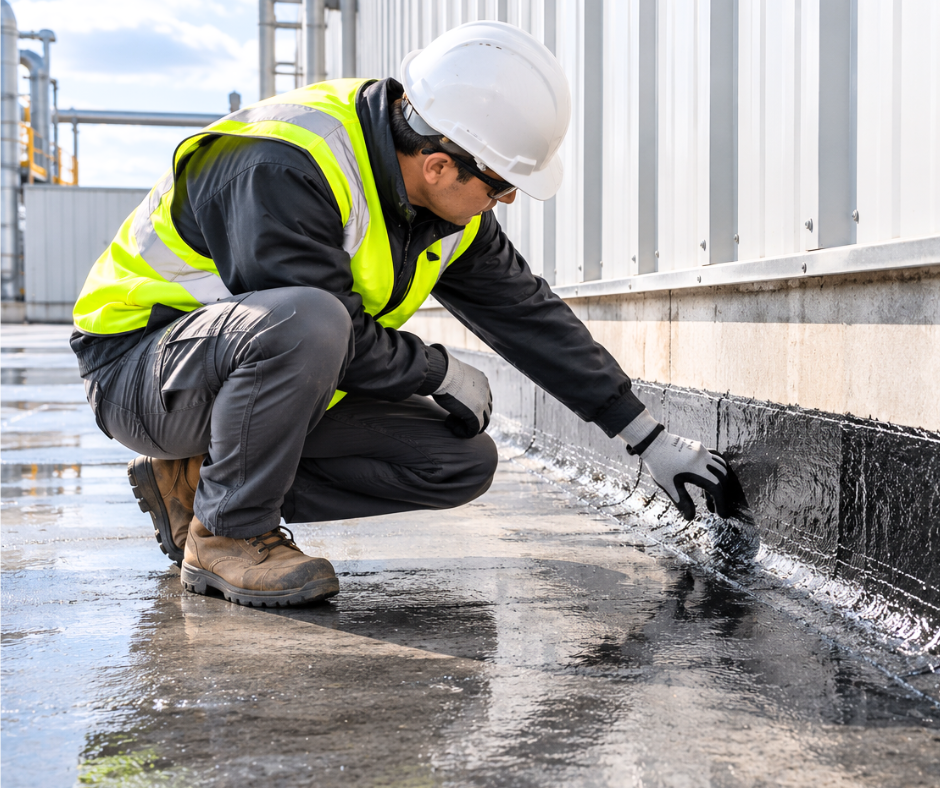
Roofs Are a Major Vulnerability
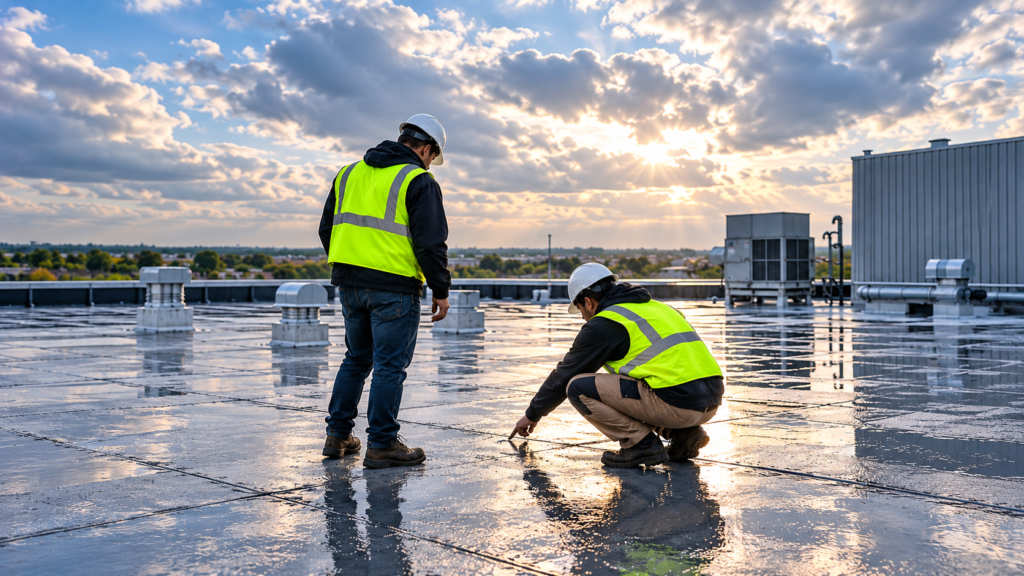
Large industrial roofs contain seams, drains, penetrations, flashing, and mechanical equipment. Each component needs proper detailing to maintain reliable water protection.
Standing water can also expose weaknesses in roofing assemblies. Small defects may eventually allow moisture into insulation or interior spaces.
Regular inspections help identify damaged coatings, deteriorated seals, drainage problems, and other concerns before they become larger repairs.
Foundations and Below-Grade Moisture
Water does not only enter industrial buildings from above.
Foundations and below-grade walls can experience moisture from surrounding soil. Poor drainage or failed waterproofing may allow water to reach concrete and interior spaces.
Barrier South provides commercial waterproofing solutions that include foundation sealing and below-grade waterproofing systems. The goal is to address moisture at its source while supporting long-term building durability.
Joints and Penetrations Require Careful Attention
Industrial buildings contain numerous openings for pipes, conduits, vents, doors, equipment, and utilities. Expansion and control joints also allow sections of the building to move.
These areas require careful waterproofing details.
Sealants can deteriorate as materials move or age. Open joints and failed seals may provide direct paths for rainwater and moisture.
Routine inspections can reveal these vulnerable areas before water causes significant damage.

Moisture Can Affect More Than the Structure
Industrial waterproofing protects more than walls and foundations.
Moisture can affect stored materials, machinery, insulation, interior finishes, and working environments. Wet insulation may also perform poorly, reducing the effectiveness of the building envelope.
Persistent moisture can contribute to mold growth and deterioration. That makes moisture control an important part of protecting both the facility and its operations.
Waterproofing and the Building Envelope
Waterproofing performs best when it works together with air barriers, vapor control, insulation, and drainage.
For example, stopping rainwater may not solve condensation caused by uncontrolled air or vapor movement. The source of the moisture must first be identified.
A building-envelope assessment can help determine where water, air, or vapor is moving through the structure. Barrier South uses this broader building-science approach to develop solutions suited to each facility.
Start With a Professional Assessment
Effective industrial waterproofing begins with understanding the building.
An inspection can identify vulnerable roof areas, exterior-wall transitions, penetrations, foundations, joints, and drainage conditions. The findings can then guide the selection of appropriate waterproofing materials and installation methods.
Barrier South provides commercial waterproofing, air and vapor barrier systems, cementitious waterproofing, and building-envelope consulting. These services help industrial and commercial facilities improve moisture control and long-term performance.
For facilities across Georgia, South Carolina, North Carolina, Tennessee, and Florida, proactive waterproofing can help reduce unexpected repairs while protecting the building for years to come.
Frequently Asked Questions
What are the most common waterproofing problems in industrial buildings?
Common problems include roof leaks, failed joint sealants, foundation moisture, poorly sealed penetrations, damaged membranes, and inadequate drainage.
How often should an industrial building be inspected for water problems?
Inspection schedules depend on the building and its exposure. Regular checks and additional inspections after severe weather can help identify developing problems early.
Can waterproofing improve an industrial building’s energy performance?
It can support better overall building performance. Keeping moisture away from insulation and coordinating waterproofing with air and vapor control helps the building envelope function as intended.