Moisture problems rarely start big—but they always end expensive. Small leaks, high humidity, and hidden condensation can quietly damage insulation, framing, and indoor air quality. Proactive moisture control flips that script. Instead of reacting to damage, you prevent it—and the return on investment shows up faster than most expect.
Why Moisture Control Pays Off
Uncontrolled moisture reduces insulation performance. Wet insulation loses R-value and drives up energy costs. Over time, this means higher utility bills and uneven comfort. By sealing air leaks, managing vapor, and controlling humidity, buildings stay efficient year-round.
Repairs are another hidden cost. Mold remediation, wood rot repair, and drywall replacement add up quickly. Preventative strategies—like proper ventilation and air sealing—cost far less than major restoration projects.
There’s also asset value. Homes and buildings with documented moisture control and energy upgrades appraise better and sell faster. Buyers recognize durability and lower operating costs.
Where the ROI Comes From
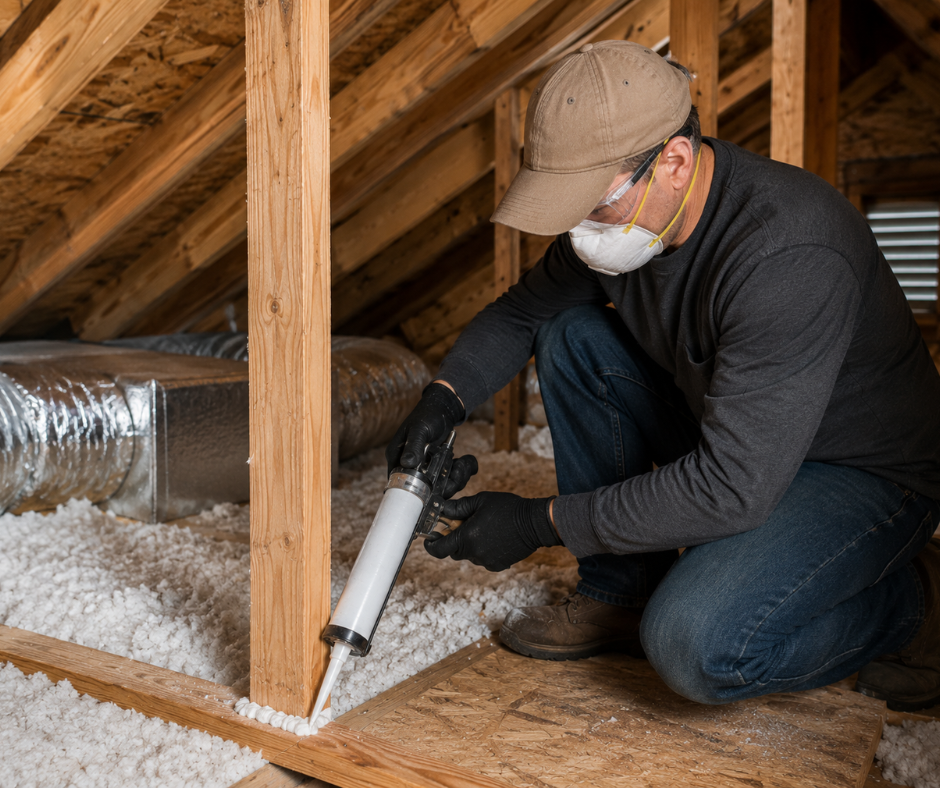
The biggest gains often come from air sealing and insulation upgrades. These reduce moisture entry and stabilize indoor conditions. Pair that with targeted ventilation, and you control both humidity and air quality.
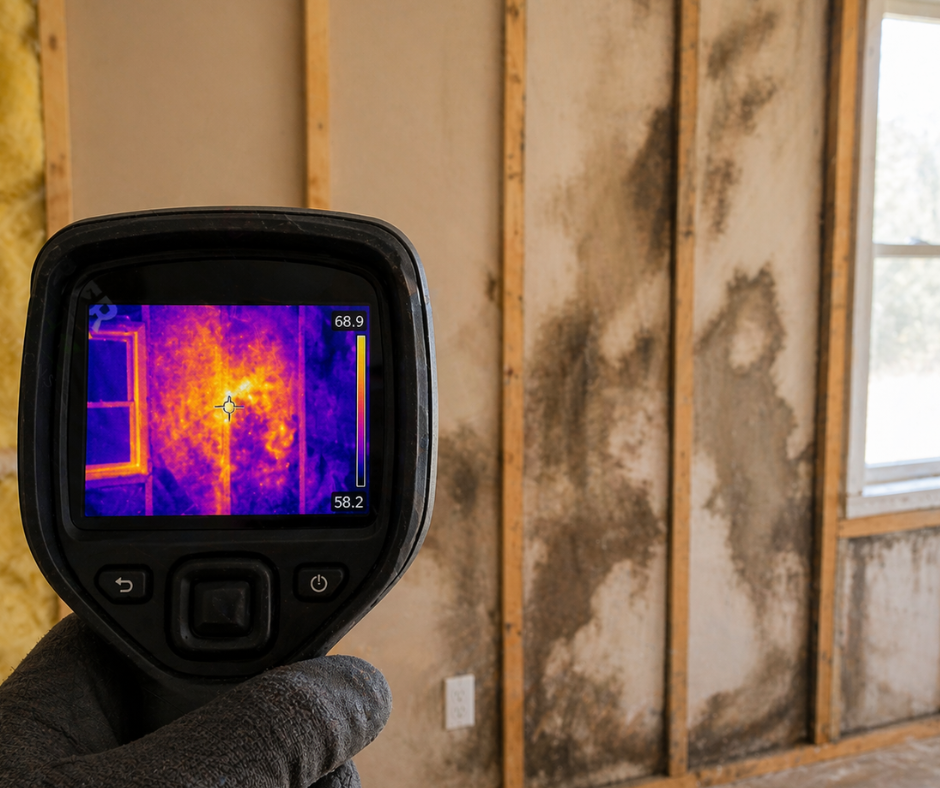
Energy audits help identify risk zones. Thermal imaging and blower door testing reveal where moisture is likely to form. Fixing these areas early avoids long-term structural damage.
Frequently Asked Questions
Is moisture control really that urgent?
Yes. Moisture issues compound over time. Early action prevents costly repairs and health concerns.
How quickly can I see savings?
Energy savings often appear within months. Avoided repair costs add long-term value.
What’s the first step?
Start with a professional energy audit. It identifies moisture risks and guides smart upgrades.
Proactive moisture control isn’t just maintenance—it’s a strategic investment in comfort, durability, and performance.